
Pax Amazonia
Indigenous Surgical Care in the Napo River Basin
A Health Lifeline in the Amazon
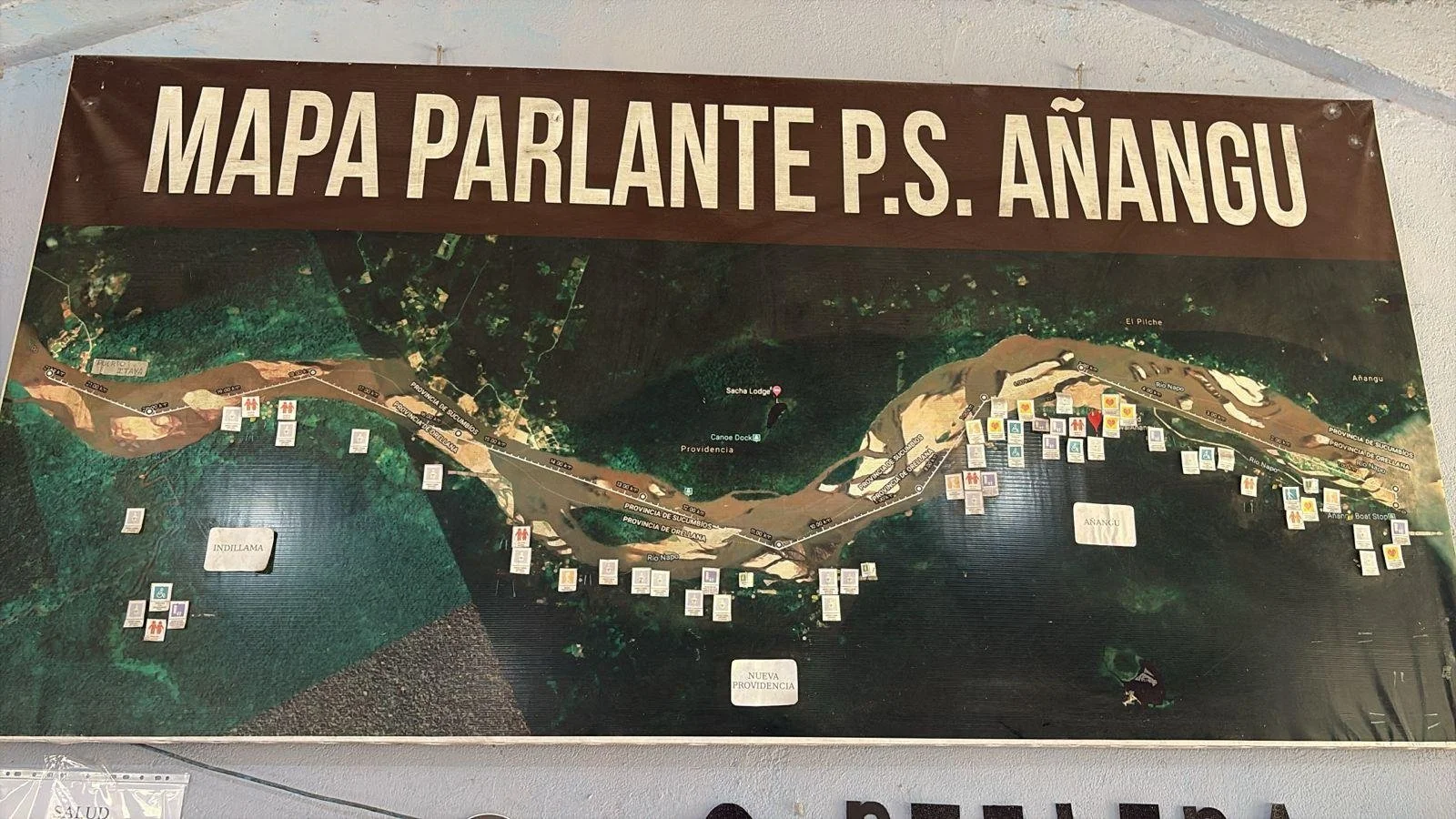
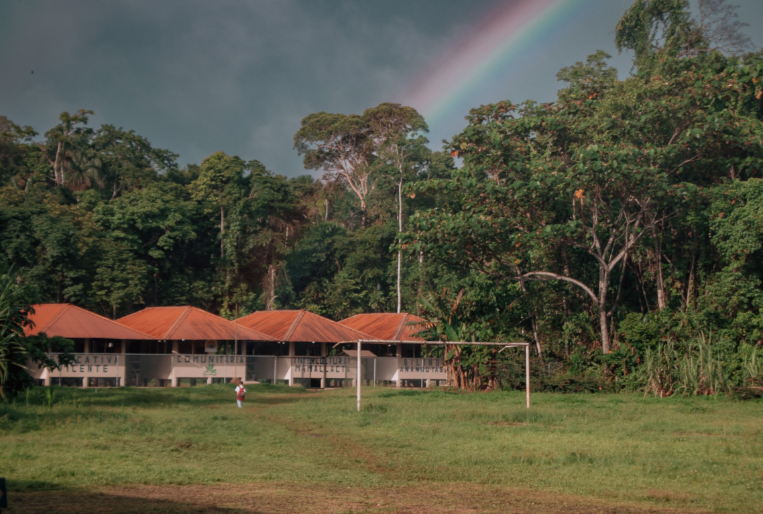
Deep in the Ecuadorian Amazon, along the Napo River in the province of Orellana, lies the Kichwa community of Añangu. Home to approximately 500 residents and supporting more than six surrounding communities, Añangu currently relies on a small health post with limited surgical capacity.
For emergency care, families must travel 4–6 hours by river to reach hospitals in El Coca, or even longer to Quito. During floods or low water seasons, these journeys become even more challenging.
The Pax Amazonia initiative aims to address the structural exclusion from surgical care faced by Kichwa communities. Our mission is to deliver safe, timely, and culturally respectful surgical care to Kichwa communities while building local autonomy and expertise.
The Añangu Community
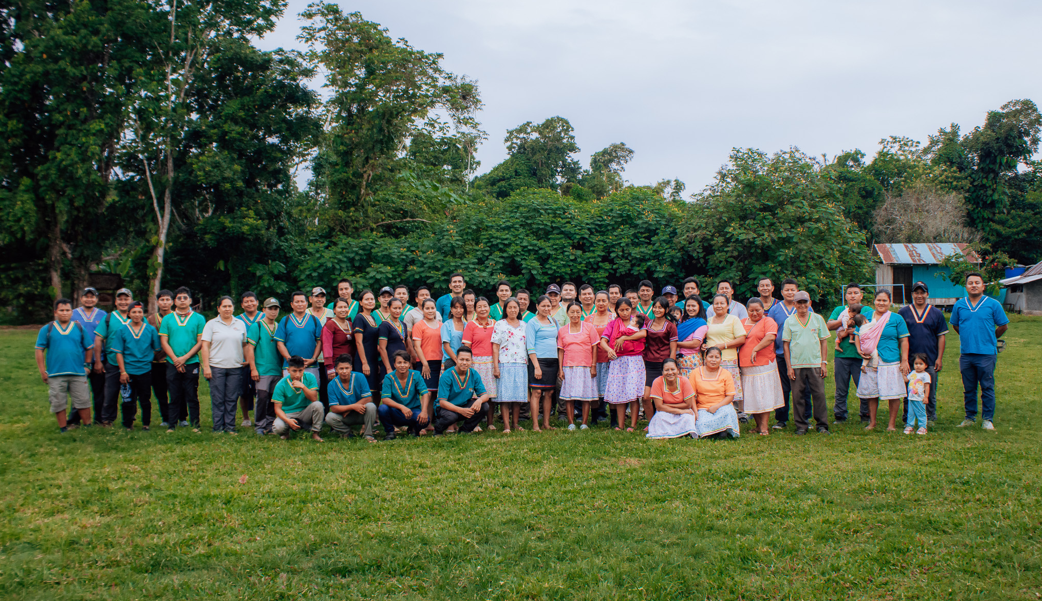
A central partner in this initiative is the Añangu community itself, a Kichwa territory located deep in the Amazon rainforest.
Añangu is not simply a site of implementation but rather a co-creator of the initiative, together with:
Global Surgery Umbrella (GSU)
Añangu Health Center
Hospital Franklin Tello
Corporación Kimirina
FCUNAE (Federación de Comunas Unión de Nativos de la Amazonía Ecuatoriana)
The Four-Phase Model of Pax Amazonia
Pax Amazonia is a four-phase surgical care initiative designed to ensure safe, timely, and affordable surgical care for Kichwa Indigenous communities in Ecuador’s Napo River Basin.
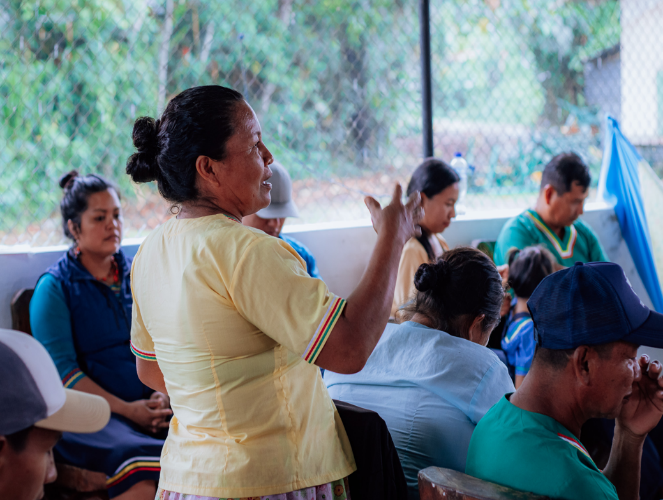
Rather than beginning with outside intervention, the initiative begins with listening, data collection, and community-based capacity building.
The pilot phase starts in Añangu, where local evidence gathering and training lay the groundwork. The project will cover the entire Napo River Basin, connecting over 15 communities along 200+ km of river.
Phase 1 – Evidence & Mapping
Collect surgical disease data
Identify unmet surgical needs
Map referral pathways and delays
Conduct community-level epidemiologic assessments
Phase 2 – Training & Infrastructure
Train community surgical health workers
Strengthen the Añangu health post
Build ongoing educational facilities
Develop local surgical literacy & prevention programs
Phase 3 – Pilot Surgical Missions
Coordinate surgical campaigns
Mentorship and skills transfer to local teams
Strengthen referral integration between river communities and hospital care
Lay groundwork for a Center of Excellence in Global Surgery
Phase 4 – Embarco Pax Amazonia
The long-term vision is the creation of a floating surgical fleet that will:
Deliver surgical care directly along the river
Operate in partnership with trained Indigenous health workers
Co-led and locally managed by FCUNAE-affiliated communities
Integrated with the Añangu River Ambulance System
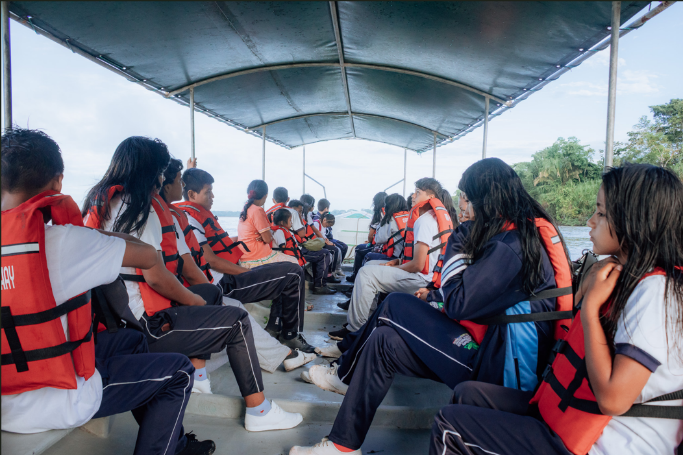
By river, a round-trip journey from Añangu to the Atlantic Ocean would take nearly 15 days - this is the scale of the territory Pax Amazonia aims to reach
Why This Project Matters
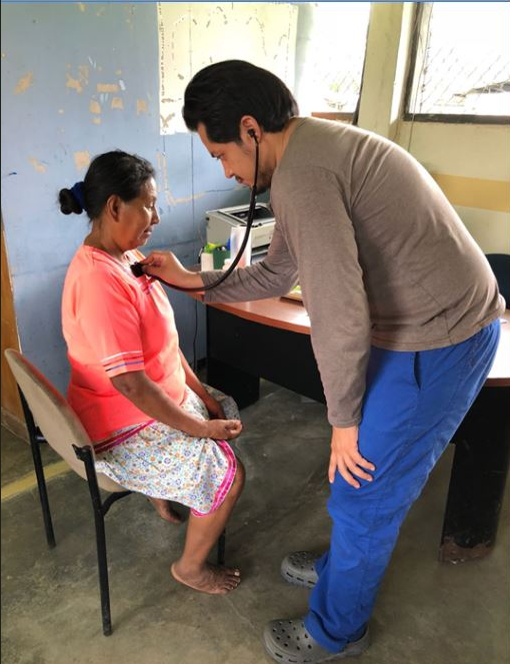
From January 2024 to November 2025, the current basic dispensary recorded 4,765 medical consultations - an average of nearly 8 visits per resident.
The most common health concerns include:
Acute respiratory infections
Dengue and other endemic diseases
Gastrointestinal infections and parasitic illnesses
Urinary tract infections
Hypertension and chronic conditions
Snake bites and occupational injuries
These patterns reflect the realities of Amazonian geography: humidity, endemic diseases, limited access to clean water, and territorial isolation.
Without timely local care, many treatable conditions escalate into emergencies requiring costly hospital transfer.
A Model for the Amazon
Pax Amazonia represents more than a health project. It is an investment in Indigenous rights, a bridge between modern and ancestral medicine, and a sustainable model for remote river-based communities. Running a river-based surgical initiative requires careful coordination of boats, fuel, navigation systems, surgical supplies, and trained health workers, alongside ongoing mentorship and educational programs.
With the support of strategic partners, global allies, and volunteers like you, Pax Amazonia can help ensure that geography no longer determines health outcomes.
Are you interested in being part of this mission? Fill out the form below to contribute, volunteer, or join our efforts on the river.