
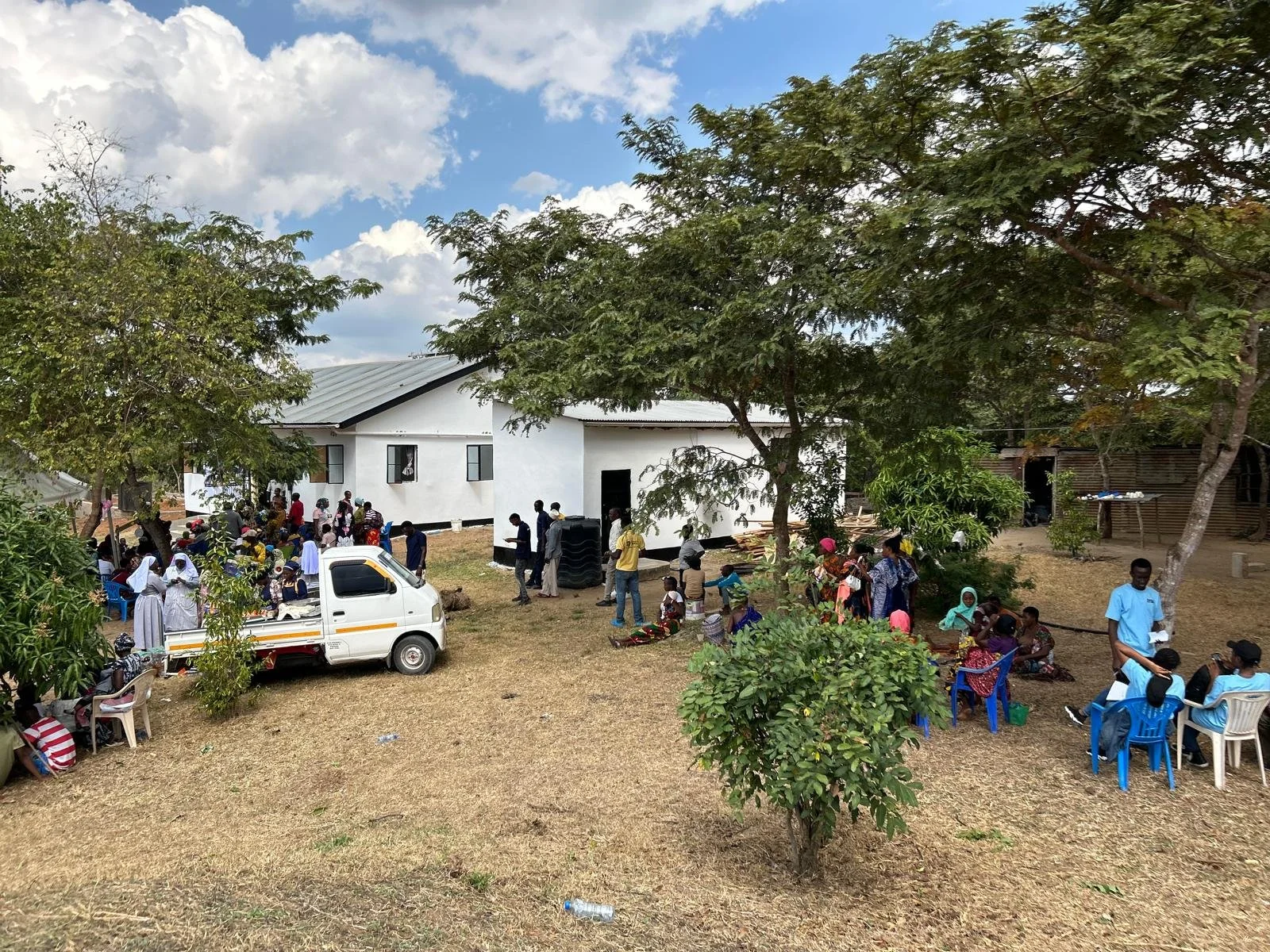
Kifuru and St. Therese Mother & Child Center
A Mission Rooted in Compassion
Kisarawe District in Tanzania is home to more than 159,000 people, yet there is only one hospital serving the entire district. For many, seeking care can take hours, depending on road conditions and available transport.
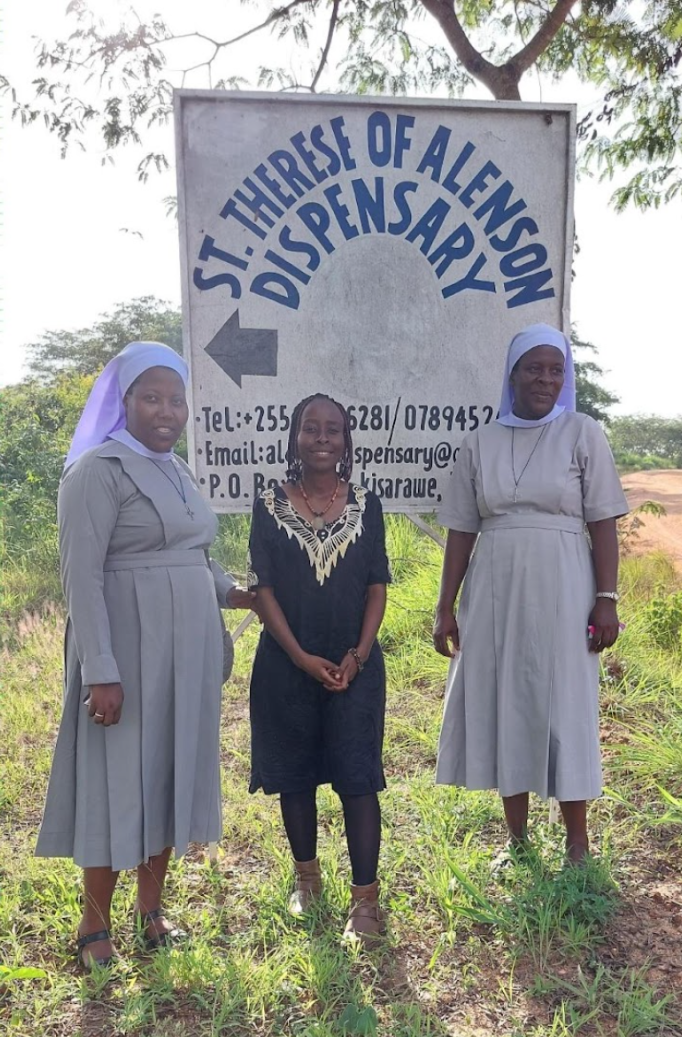
Inside Kisarawe lies the village of Kifuru, located approximately 25 kilometers from the district’s hospital and about 12 kilometers from two small dispensaries. The people of Kifuru have a longstanding partnership with the Sisters of St. Therese of the Child Jesus, united by a shared mission to bring safe, timely care closer to home. Together, they established what is now the St. Therese of Alenson Dispensary.
The story of the partnership began in the year 2000, when Sister Aloysia first visited Kifuru alongside the Kisarawe Parish priests. During her visit, she observed the urgent and unmet health needs in the village, particularly among women and children. She responded by providing baskets of medicines to those most in need. Her compassion quickly built trust. Moved by her dedication, the people of Kifuru asked the Sisters to establish a permanent presence in the village and generously offered land to make this possible. From this partnership, the foundation of a clinic was born.
With little infrastructure, early clinics operated under the shade of a tree. Over time, this evolved into the construction of a small dispensary which serves more than 3,000 people. Today, it is a Ministry of Health-registered healthcare facility, continuing to operate through the shared commitment of the Sisters and the community.
From Dispensary to Mother & Child Care Center
Despite these achievements, Kisarawe District still faces a critical distance-to-care challenge. Mothers living far from comprehensive facilities face significantly higher risks during pregnancy and childbirth, particularly when complications arise unexpectedly.
At the same time, regional referral hospitals are overwhelmed by cases that could be safely managed closer to home. Strengthening local maternal care is one of the most effective ways to prevent avoidable emergencies.
Upgrading the Kifuru dispensary into a center capable of providing Basic Emergency Obstetric and Newborn Care (BEmOC) directly addresses these gaps by reducing the three delays:
Delay 1 - Deciding to seek care: Community trust in the “Missionary Sister” model encourages earlier antenatal visits and timely care-seeking.
Delay 2 - Reaching a facility: Decentralized services reduce long, high-risk journeys to Dar es Salaam during labor or complications.
Delay 3 - Receiving treatment: On-site equipment and trained staff allow immediate management of emergencies such as hemorrhage or infection, rather than upon arrival at a distant hospital.
The vision is to elevate the current clinic from a basic outpatient dispensary into a dedicated maternal and newborn care center, ensuring that women and newborns receive safe, timely care close to home.
Meet Sister Dr. Sarah Deogratius
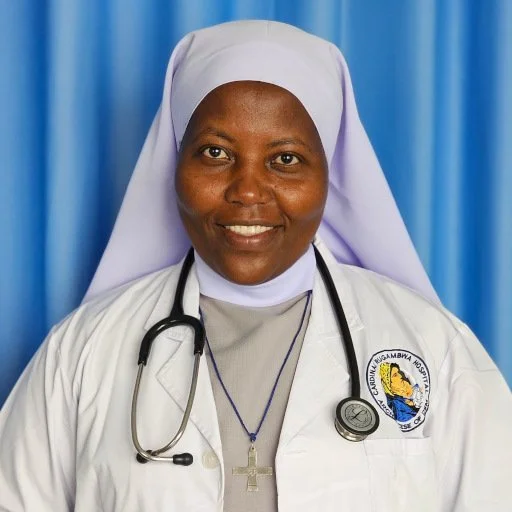
Sister Dr. Sarah Deogratius guides the next chapter of this work. A Tanzanian Catholic nun, physician, public health specialist and GSU member, she combines medical expertise with deep community commitment.
As Medical Director of Cardinal Rugambwa Hospital since 2016, Sister Sarah has expanded clinical services, strengthened systems, and guided healthcare teams through major challenges, among which the COVID-19 pandemic.
Sister Sarah is passionate about transforming the Kifuru dispensary into a Mother and Child Care Center. She has been vocal about raising approximately one billion Tanzanian shillings (approx. $393,000 USD) to fund infrastructure for the Mother and Child projects across her network.
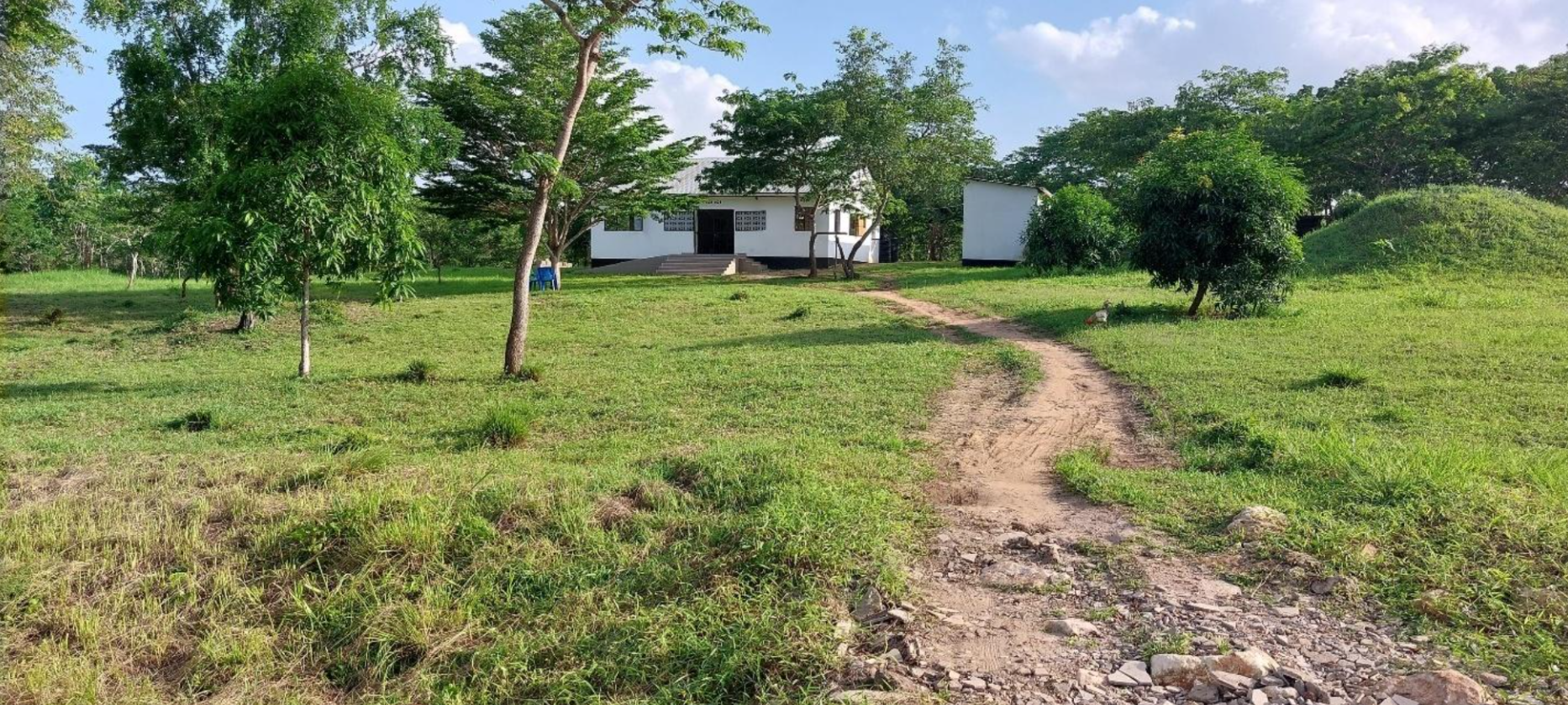
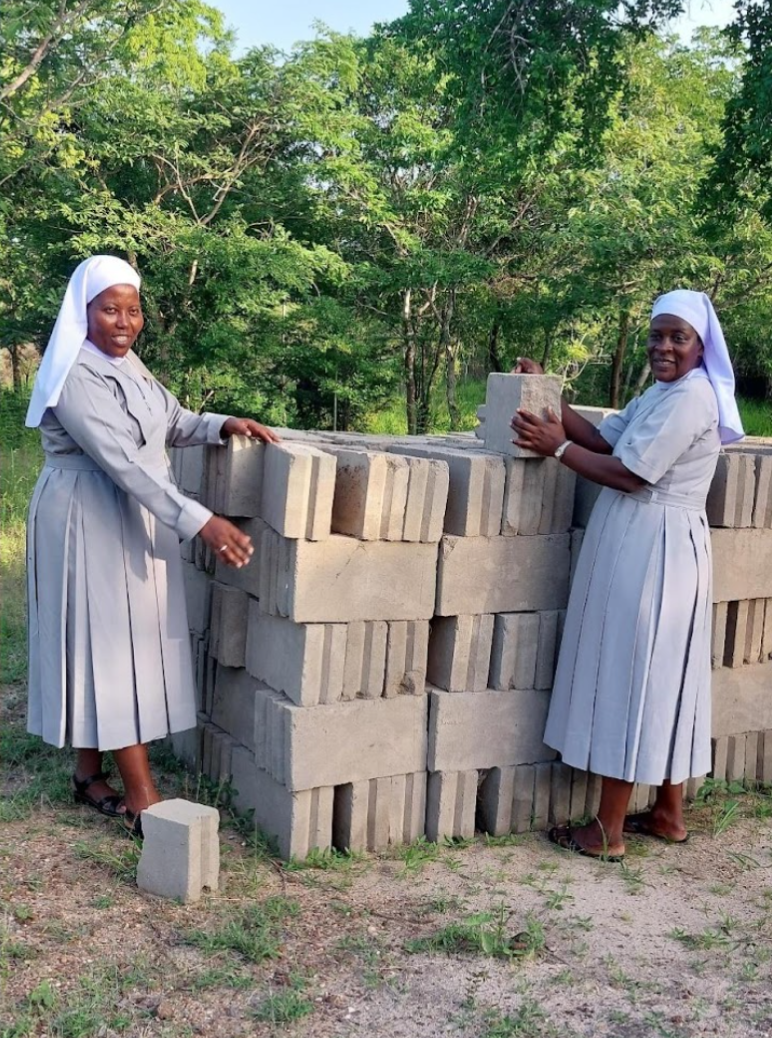
The planned upgrade focuses first on foundational infrastructure, ensuring that every mother and child receives care in a safe, well-equipped, and functional facility.
Phase 1: Essential Stabilization
Creating the foundation for safe care:
Safe Water & Hygiene: Reliable, treated water and strategically placed handwashing stations to prevent infection.
Reliable Electricity: Solar power sufficient to run essential lighting, charge medical equipment, and refrigerate vaccines and medications.
Waste Management: Proper segregation, handling, and storage of healthcare waste.
Basic Diagnostics: Core lab services restored with microscopes and essential consumables, enabling early detection and treatment of common health conditions.
Phase 2: Service Strengthening
Enhancing care quality and meeting Basic Emergency Obstetric Care (BEmOC) standards:
Antenatal & Maternal Assessment Rooms: Private, equipped spaces for check-ups and screenings.
Labor & Delivery Suites: Safe, hygienic rooms with beds, lighting, and essential instruments.
Emergency Obstetric Capacity: Trained staff and equipment for urgent complications.
Newborn Care & Stabilization: Infant resuscitation kits, radiant warmers, and space for early bonding.
Postnatal Recovery Beds: Comfortable rooms for safe mother and baby recovery.
Laboratory & Diagnostic Support: On-site testing for timely interventions.
What Would St. Therese Mother & Child Care Center Look Like?
Building Safe Care Close to Home
What began with one sister carrying medicines through a village has grown into a shared commitment to maternal and child health.
With community partnership, clinical leadership, and global support, the St. Therese Mother and Child Care Center can become a place where mothers give birth safely, newborns receive immediate care, and families walk home with hope instead of fear.
Are you interested in being part of this mission? Donate via the button below or contact us here.